
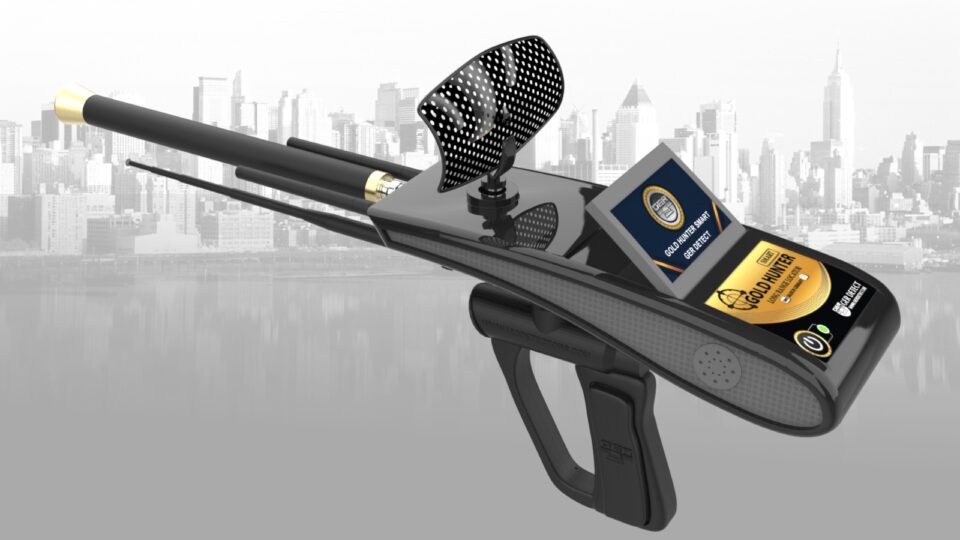
Gold prospecting can be an exciting and rewarding hobby, but it also requires skill, patience, and proper technique. Even the most advanced gold detectors will not guarantee success if mistakes are made during use. Understanding common errors can save time, frustration, and missed opportunities.
This article explores the most frequent mistakes beginners and even experienced prospectors make when using a gold detector and how to avoid them.
1. Ignoring the Manual and Device Settings
One of the most common mistakes is not reading the user manual or understanding the settings of the gold detector. Each detector has unique features and controls, and misusing them can lead to missed targets or false signals.
How to avoid:
- Read the manual carefully before your first field trip.
- Familiarize yourself with sensitivity, threshold, ground balance, and search modes.
- Practice adjusting settings in a controlled environment before prospecting.
2. Poor Ground Balance
Ground balance is critical to accurate gold detection, especially in mineralized soil. Failing to set ground balance correctly can result in constant false signals or missed gold. You can compare multiple models of gold detector directly on this website to find the perfect match for your needs.
How to avoid:
- Use automatic ground balance if available.
- Rebalance manually in areas with high mineralization.
- Recheck ground balance frequently as soil conditions change.
3. Swinging the Detector Too Fast
Swinging the search coil too quickly is a common mistake, particularly for beginners. Rapid swings can cause the detector to miss faint signals from small nuggets.
How to avoid:
- Swing the detector slowly and steadily.
- Overlap each sweep slightly for full coverage.
- Maintain consistent coil height above the ground.
4. Using Heavy Discrimination
While discrimination helps ignore trash metals, using too much discrimination can filter out gold signals, especially small nuggets.
How to avoid:
- Use minimal discrimination when gold prospecting.
- Focus on all-metal or gold-specific modes.
- Dig repeatable signals even if unsure.
5. Neglecting Coil Choice
The size and type of search coil have a direct impact on detection depth and accuracy. Using the wrong coil can reduce performance.
How to avoid:
- Use small coils for rocky or trash-heavy areas.
- Use larger coils for deep detection in open areas.
- Consider interchangeable coils if your detector supports them.
6. Failing to Practice Proper Pinpointing
Improper pinpointing can lead to digging in the wrong spot, wasting time and possibly damaging the gold.
How to avoid:
- Use pinpoint mode if your detector has it.
- Shorten your swings over the target to find the center.
- Mark the exact location before digging.
7. Not Considering Soil and Environmental Factors
Gold is often found in mineralized soil, rivers, and deserts. Ignoring these conditions can reduce detection efficiency.
How to avoid:
- Research the terrain and gold-bearing regions.
- Adjust detector settings based on soil mineralization.
- Use waterproof detectors in wet areas for safety and performance.
8. Neglecting Maintenance
A detector that is not cleaned or maintained properly can give inaccurate readings or fail altogether.
How to avoid:
- Clean the search coil after each session.
- Check for loose connections or damaged cables.
- Replace or recharge batteries regularly.
9. Overlooking User Skill and Patience
Gold prospecting is not instant. Relying solely on the detector without patience or skill is a mistake.
How to avoid:
- Take time to practice scanning and interpreting signals.
- Study your detector’s feedback and adjust technique.
- Be patient—gold hunting requires persistence.
10. Ignoring Local Laws and Permissions
Detecting in restricted areas or without proper permissions is a legal mistake that can have serious consequences.
How to avoid:
- Research local gold prospecting laws.
- Obtain permits if required.
- Respect private property and protected lands.
Summary
Using a gold detector effectively requires knowledge, patience, and attention to detail. Common mistakes—such as ignoring the manual, poor ground balance, swinging too fast, using excessive discrimination, and neglecting maintenance—can significantly reduce your chances of success.
By avoiding these mistakes:
- You improve detection accuracy and efficiency.
- You reduce wasted effort and frustration.
- You increase your chances of finding gold nuggets, coins, and other treasures.
In gold prospecting, combining the right equipment with proper technique is the key to success. Following these guidelines ensures a safer, more productive, and rewarding experience in the field.


