
Introduction:
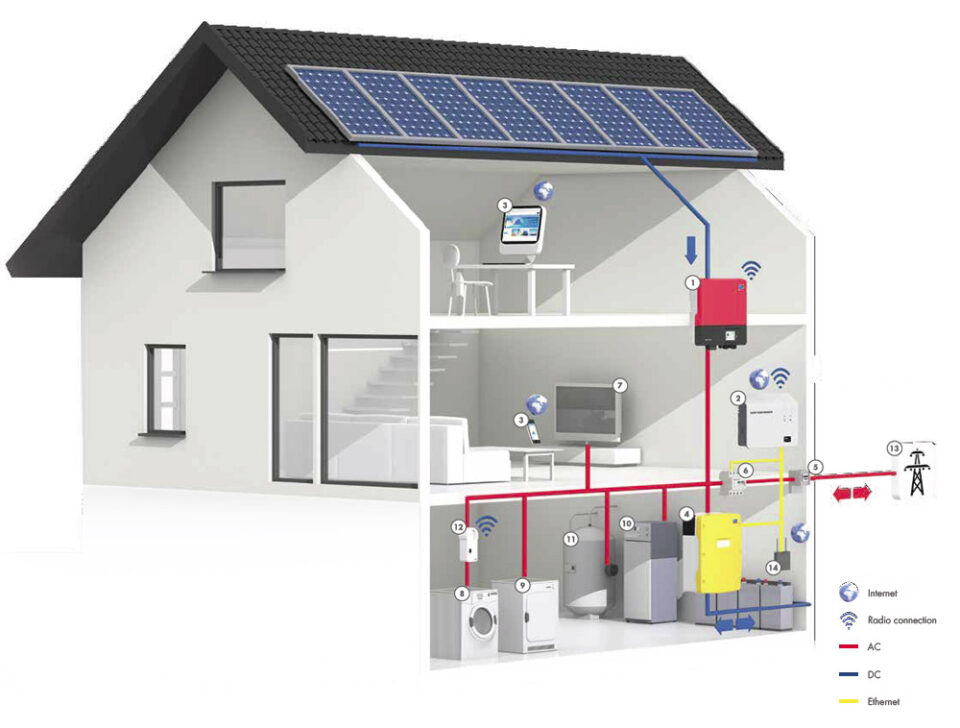
In the quest for sustainable energy sources, solar power has emerged as a frontrunner. Its abundance, cleanliness, and renewable nature make it an attractive option for powering our homes, businesses, and communities. However, the intermittent nature of sunlight presents challenges for its widespread adoption. This is where solar energy systems with battery integration come into play, revolutionizing the way we harness and utilize solar power. In this article, we delve into the myriad advantages of integrating batteries with solar energy systems, paving the way for a brighter, more sustainable future.
Advantage 1: Enhanced Energy Independence
One of the primary advantages of a solar energy system with battery integration is enhanced energy independence. Traditional energy sources are often centralized and reliant on external factors such as fuel availability or grid infrastructure. In contrast, solar energy systems with batteries enable users to generate and store their own electricity onsite, reducing dependence on the grid and fossil fuels. This autonomy not only provides greater control over energy usage but also insulates users from fluctuations in energy prices and disruptions in supply.
Advantage 2: Reliable Power Supply
Reliability is crucial when it comes to 1000 kwh battery pack energy supply, particularly in regions prone to grid outages or fluctuations. Solar energy systems with battery integration offer a reliable source of power, even during periods of low sunlight or grid downtime. By storing excess solar energy generated during peak sunlight hours, batteries ensure a continuous supply of electricity, thereby mitigating the impact of blackouts or brownouts. This reliability is particularly valuable for critical applications such as healthcare facilities, telecommunications infrastructure, and emergency response centers.
Advantage 3: Maximizing Self-Consumption
One of the challenges of traditional solar photovoltaic (PV) systems is the mismatch between energy generation and consumption patterns. Solar panels often produce the most electricity during daylight hours when demand may be lowest, leading to excess energy being exported to the grid. However, with battery integration, surplus solar energy can be stored for later use, enabling users to maximize self-consumption and offsetting a greater portion of their energy needs. This not only increases the efficiency of solar installations but also enhances the economic viability of renewable energy investments.
Advantage 4: Peak Demand Management
Electricity demand varies throughout the day, with peak periods placing strain on grid infrastructure and driving up energy costs. Solar energy systems with battery integration offer a solution to this challenge by allowing users to draw stored energy during peak demand periods, thereby reducing reliance on expensive grid electricity. By strategically managing energy usage and leveraging battery storage capacity, users can shave peak demand charges, lower overall electricity bills, and contribute to the stability of the grid.
Advantage 5: Environmental Benefits
Beyond the economic and practical advantages, solar energy systems with battery integration offer significant environmental benefits. By harnessing the power of the sun, these systems produce clean, renewable electricity without the harmful emissions associated with fossil fuels. Additionally, by reducing reliance on centralized power generation and minimizing grid infrastructure requirements, they help mitigate environmental impacts such as habitat destruction and air pollution. Furthermore, the recycling and responsible disposal of battery components contribute to a more sustainable lifecycle for these energy storage systems.
Conclusion:
In conclusion, the integration of batteries with solar energy systems represents a paradigm shift in the way we generate, store, and consume electricity. By combining the abundant energy of the sun with advanced battery technology, we can unleash the full potential of solar power and accelerate the transition to a more sustainable energy future. From enhanced energy independence and reliability to peak demand management and environmental benefits, the advantages of solar energy systems with battery integration are clear. As technology advances and costs continue to decline, these systems will play an increasingly pivotal role in powering our homes, businesses, and communities with clean, renewable energy.


